

Every delivery leader knows the meeting. A change request arrives, the team says it’s out of scope, the client says it was always implied, and an hour later everyone settles on a compromise nobody likes. Two sprints later, a near-identical request arrives, and the same argument starts again.
The cost adds up quietly. Margins erode, the team grows tired of rework, and the client starts to see you as the vendor who says no. Neither side wants that, yet each dispute pushes the relationship a little further in that direction.
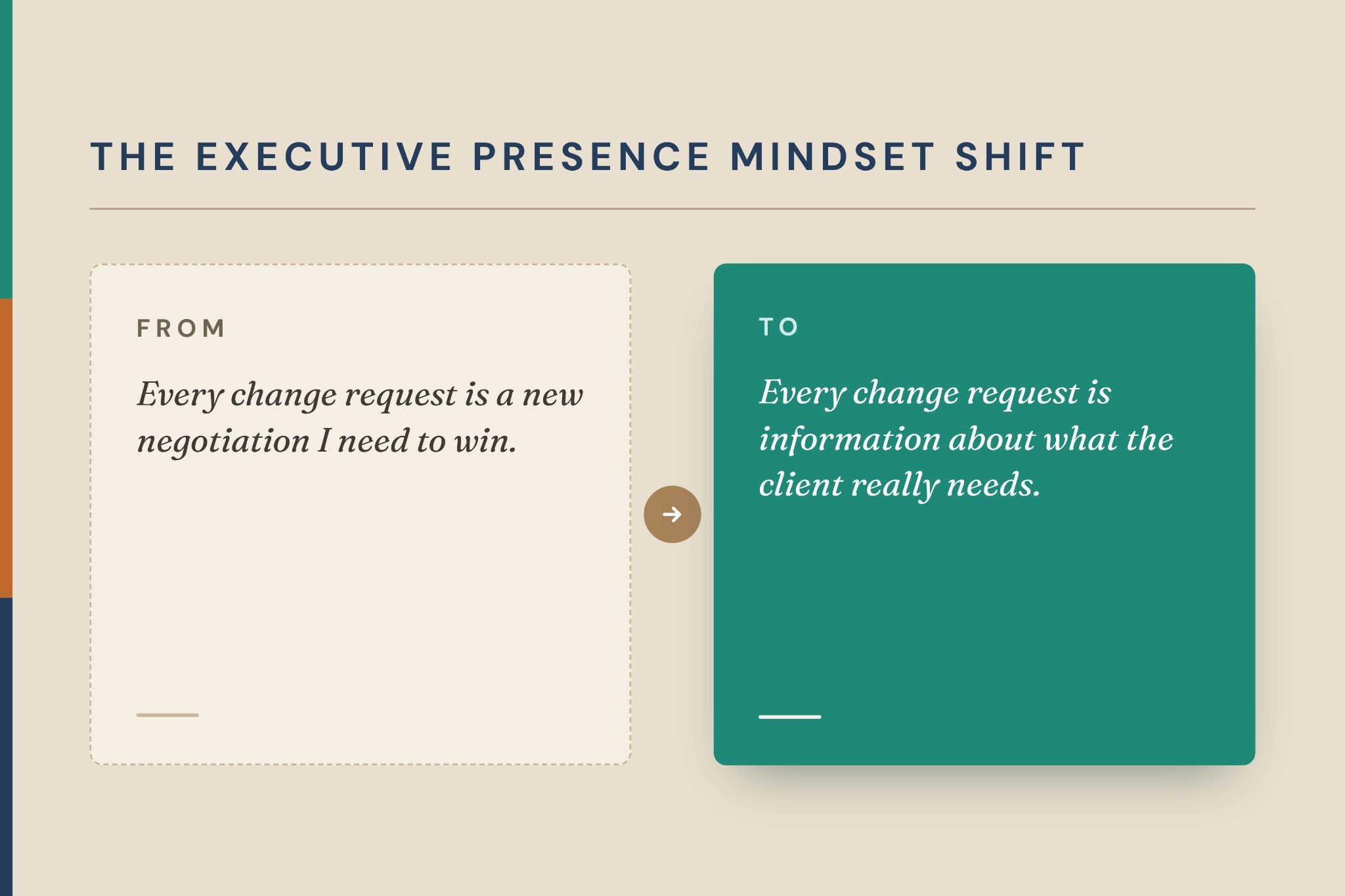
Each dispute feels like a one-off negotiation. It rarely is. When the same kind of request keeps returning, the client is telling you something the contract didn’t capture, and the pattern is often clearer than any single conversation. The leaders who break the cycle stop treating each request as a battle and start treating the set of them as evidence. That is the heart of learning to understand client behavior: looking past the latest request to whatever keeps producing them.
Research on expert judgment points the same way. Intuition becomes reliable in settings regular enough to learn from, with timely feedback on whether you were right (Kahneman and Klein, 2009). Change requests are exactly that kind of setting, provided someone looks at them as a set.
Pattern One: When the Requests Arrive
Look at the timing before the content. Do client change requests cluster after the client’s monthly business review, near quarter-end, or just after a demo to their senior leadership? Timing tells you whose pressure is driving them.
A request that lands every time your contact presents upward usually means their leadership is seeing something they didn’t expect. Arguing about scope with your contact won’t solve that, because your contact isn’t the source. Helping them prepare for that review might. And if requests spike near quarter-end, budget is the likely driver, so the conversation you need is about timing, not scope.
Pattern Two: Who Brings Them
Next, notice who raises the requests. If most come from one person or one team, that person probably wasn’t fully involved when the original scope was agreed, or their priorities have shifted since.
This changes the conversation. Instead of a contract debate with your usual contact, you can propose a direct session with the person behind the requests. A short conversation about what they actually need often does more to reduce scope creep than any amount of tightening the change process. It also tells you who to involve the next time scope is set.
Pattern Three: What They’re Really Asking For
Finally, group the requests by theme rather than by ticket. Ten separate requests about reports, exports, and dashboards are not ten problems. They are one: the client can’t see what they need to see, and the original solution didn’t account for it.
Once you name the theme, you can step out of the dispute and into a better question: are there any other options that would meet this need once, rather than through a dozen small changes? Clients welcome that conversation, because it shows you’ve been thinking about their problem, not only protecting your scope. It also gives your own team relief, because one well-designed fix replaces a stream of small changes that each felt like a defeat.
Turning Patterns into Influence
The point of spotting a pattern isn’t to win the next dispute. It’s to bring the client something they haven’t seen. “We’ve noticed most requests arrive after your leadership reviews. Would it help to plan for that?” sounds very different from “That’s out of scope.”
Naming a pattern sometimes means admitting your own team’s part in it, such as an estimate that was optimistic from the start. Sharing that openly, with the right measure of vulnerability in leadership, makes it easier for the client to be candid about their side too.
At Coach Vikram & Company, we would say this is what separates a delivery leader who manages requests from one who understands the client. Your delivery experience gives you a view of the client’s behavior that few people have; the skill is noticing what it adds up to. Leaders who come to executive presence coaching often find that predicting how clients will react depends less on instinct and more on paying closer attention to what has already happened.
The same dispute in a new sprint isn’t bad luck. It’s a pattern waiting to be named.