

A proposal goes into a regional review. It is well argued, and the numbers hold up. Then the head of finance asks about the payback period, the operations lead asks who will carry the extra workload, and someone from legal wants to know whether anyone has checked the contract terms. Each question is answered on the spot, a little defensively. The decision is deferred to next month.
Afterward, it is tempting to call the meeting unpredictable. Usually, it was anything but. The finance head has asked about payback on every proposal this year. The operations lead has been stretched since the last restructuring. None of the questions were new. They simply had not been anticipated.
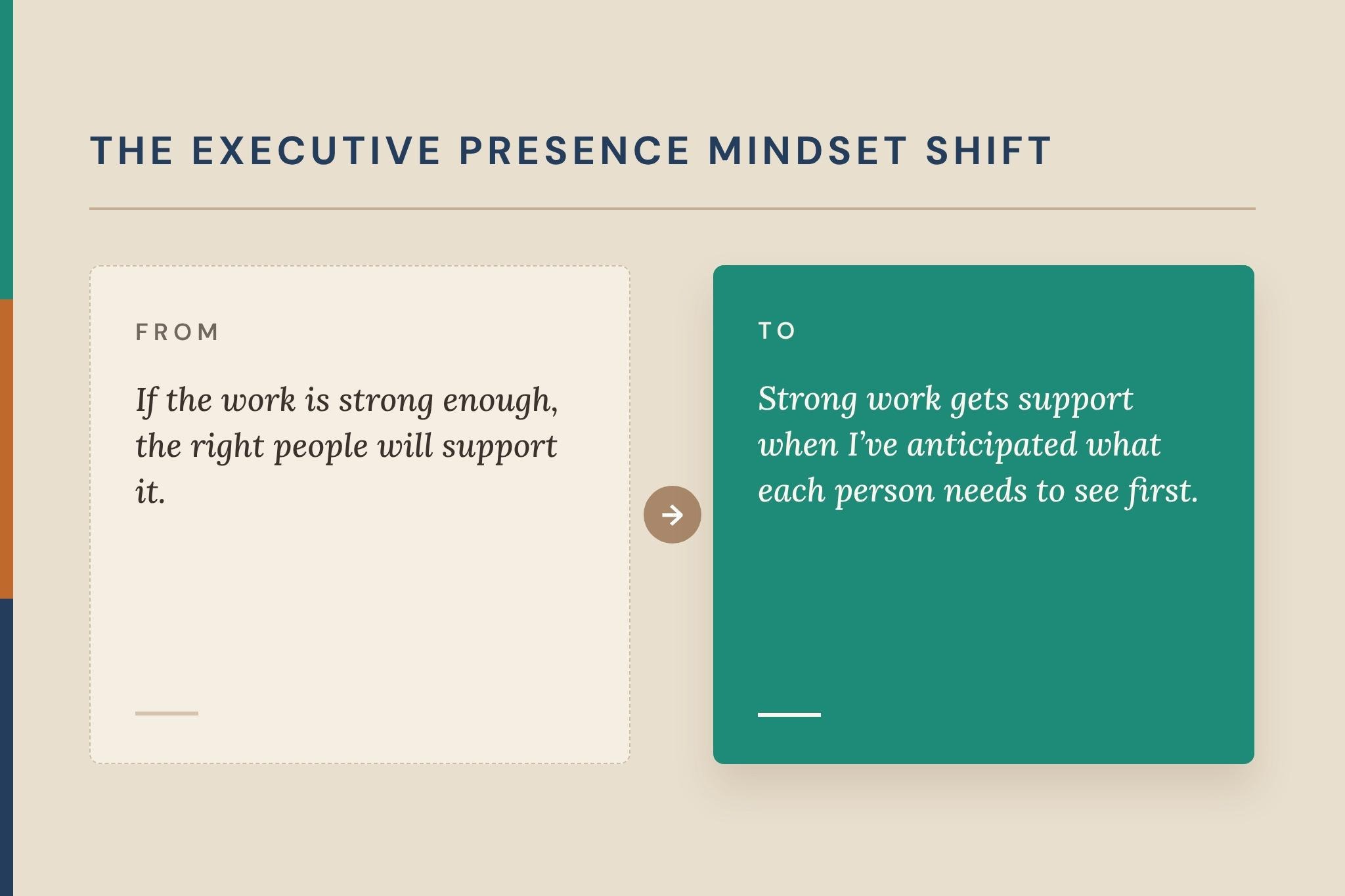
Leaders who are excellent at their own work tend to prepare the content and neglect the people who will hear it. Most of them already hold the information they need. They have just never put it together. Yet predicting how stakeholders will react is often what decides whether good work gets a yes, and it can be done in three steps.
Step 1: Look Back at Each Person’s Pattern
People are more consistent than they seem in the moment. A stakeholder who pushes back on cost will usually push back on cost again. Someone burned by a failed rollout will ask about implementation, whatever the topic. A leader new in the role may back anything that promises an early win and resist anything that adds risk.
None of this requires guesswork about personality. It comes from paying attention to what each person asks about, delays, champions, and is rewarded or blamed for. That is the raw material of understanding stakeholder motivations. A useful exercise is to write each name down with the last question they asked in a meeting like this one. The pattern often appears on the page before it appears in your head. Research on negotiation points the same way: people who deliberately considered the other side’s interests and likely moves were better at finding agreements that were not obvious at first (Galinsky, Maddux, Gilin and White, 2008).
Step 2: Prepare for the Objection Before It Is Raised
If you expect the payback question, you put the payback period on the second slide instead of defending it at the end. If you know operations is stretched, you speak to that lead beforehand and ask what would make the plan workable. When the concern comes up, it has already been addressed, often with help from the person who would have raised it.
This is one of the quieter stakeholder management skills, and it is very different from lobbying. You are making sure each person sees what they need to see before they can agree. If someone is likely to ask whether there are any other options, it is far better to have examined two properly than to improvise. The same habit applies beyond individuals: shifts in regulation or customer demand usually appear as small signals in conversations long before they arrive as instructions.
Step 3: Test Your Prediction, and Hold It Lightly
Predictions are hypotheses, not conclusions. People change roles, priorities shift, and a stakeholder who resisted last quarter may be under different pressure now. A short conversation before the meeting, asking what they would need to see, tells you whether you read the pattern correctly. A prediction that turns out wrong is still useful. It tells you something has changed for that person, which is worth knowing before the meeting rather than during it.
Some stakeholders keep blocking proposals, and it starts to feel personal. It rarely is. Curiosity is more useful than suspicion, and assuming positive intent is what keeps that curiosity honest when someone keeps saying no.
At Coach Vikram & Company, we would say that the leaders who seem to know how a meeting will go before it starts have usually just done this homework. It is a recurring theme in executive presence coaching for leaders moving into regional or enterprise roles, where the number of stakeholders grows faster than the time available to know each one.