

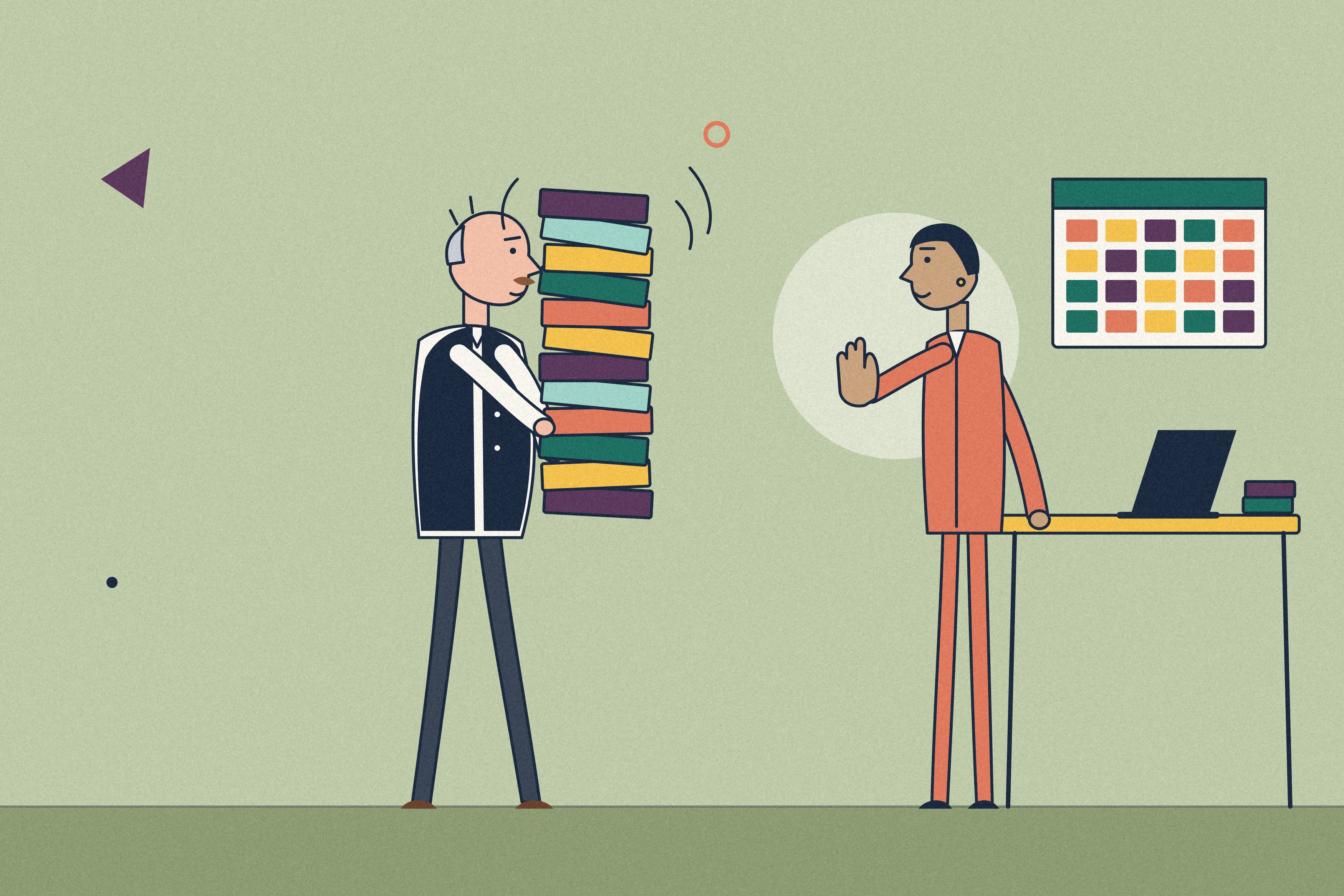
A team lead is handed a deadline in a planning meeting. She can see straight away that it won't work without cutting something important. Everyone is nodding, the senior person running the meeting looks pleased, and the moment passes. "We'll make it work," she says. Three weeks later, her team is working late to deliver something they all knew was unrealistic.
She wasn't being weak. She was being agreeable at exactly the moment it cost the most.
Why Saying Yes Feels Safer
Most people who wonder how to be more assertive at work don't lack opinions. They have them, often very clear ones. What stops them is the social arithmetic of the moment: the risk of looking difficult, of slowing things down, of disagreeing with someone more senior in front of others.
So they say yes, or say nothing, and plan to raise it later. Later rarely comes, or it comes after the decision has set.
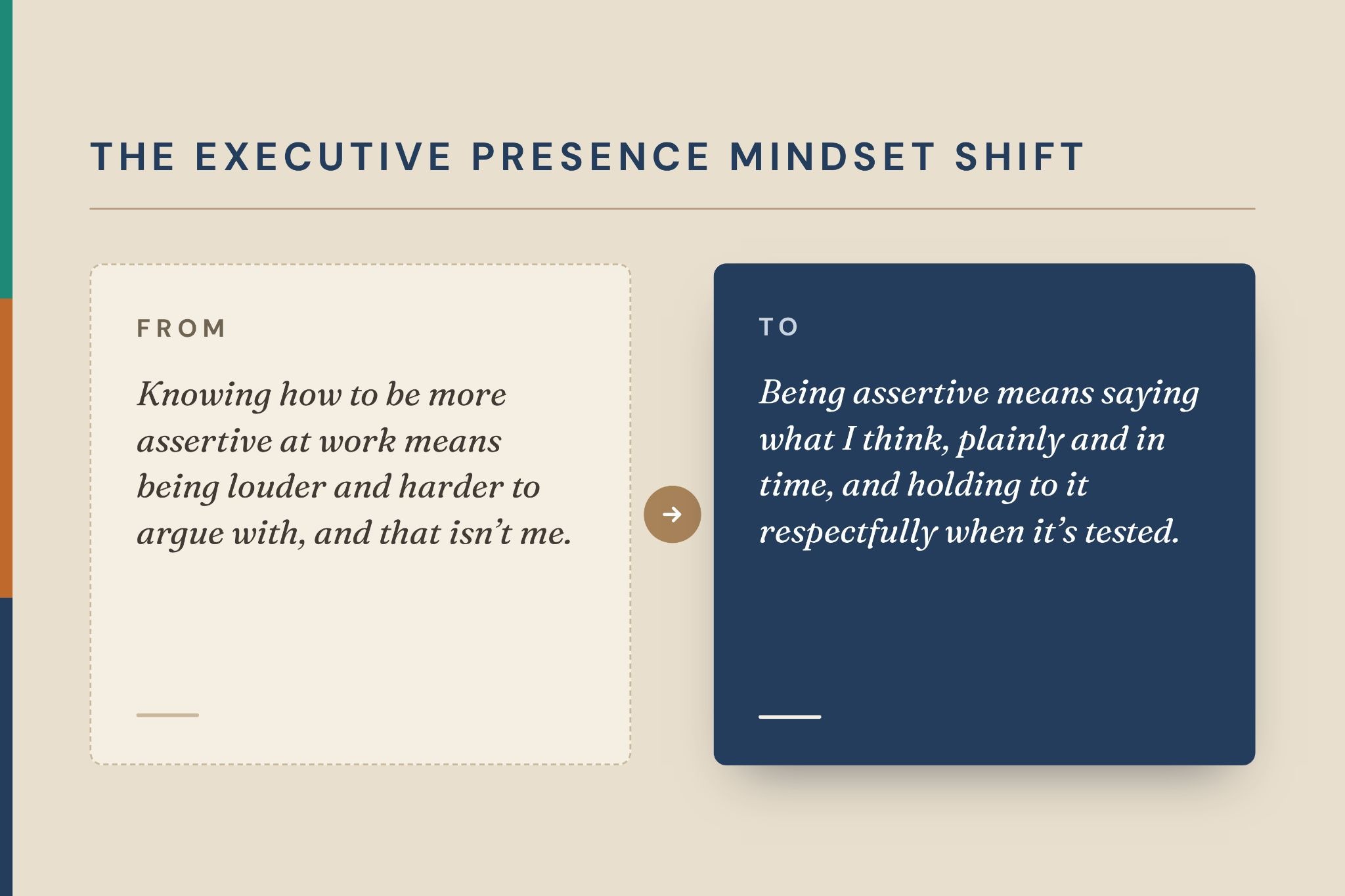
In some workplaces and cultures, openly disagreeing with a senior person in a meeting simply isn't done. There, assertiveness might mean a private conversation straight afterward, or a short written note that sets out the concern. The form changes. What doesn't change is that your view gets said while it can still make a difference.
Learning how to say no at work usually starts with realizing that "no" doesn't have to be the end of the sentence. "I can't take this on by Friday without dropping the client review. Are there any other options, like moving the date or splitting the work?" That's a no. It's also an invitation to solve the problem together.
The Office That Rearranged Itself
There's a scene near the start of The Devil Wears Prada that is worth watching for what happens before anyone says much at all. Word arrives that the editor, Miranda Priestly, is on her way in early, and the whole office transforms. Flats are swapped for heels, desks are straightened, a bottle of water is set out just so. By the time she walks through the door, everyone in the building has brought their most polished self to the surface.
That's a striking picture of how much space one person can occupy. It's also worth being honest about why it happens. The office isn't raising its game because it knows where Miranda stands. It's scrambling because it's afraid of her. She takes up all the space, and nobody else gets any.
Assertiveness is the healthier version of that effect. When people know what you think and trust that you'll say it plainly, they tend to prepare better, argue better, and bring more of themselves to the work. They just don't need to change their shoes in a panic to do it.
Firm Without Being Frightening
The line between assertive vs aggressive is where most people get stuck. They picture assertiveness as volume, or as winning, and back away from it. Research on how colleagues rate leaders suggests they're right to be wary of the extremes: both low and very high assertiveness were linked to weaker ratings, with people in the middle tending to do best (Ames & Flynn, 2007).
In practice, the middle looks fairly ordinary. Knowing how to push back professionally means saying clearly what you think, giving a reason, and leaving room for the other person to respond. When you need to know how to disagree with your boss, it's usually less about the words than about timing: saying them while the decision is still open, rather than grumbling in the corridor once it's closed.
It also helps to separate the position from the person. "I think this plan has a gap in testing" is easier to hear than "You've missed something," and it keeps the conversation on the work.
Relationships carry a lot of this. If you've taken the time to build rapport with your team, a firm "no" lands as a judgment about the work rather than about them.
People sometimes expect executive presence coaching to make them harder to argue with. The more useful version runs the other way: easier to understand, and steady when challenged. At Coach Vikram & Company, we would say that real assertiveness makes a room feel steadier, not smaller.