The Case Nobody Makes for You

Rajna Shetty

On self-advocacy: what you know, what only you bring, and who knows you well enough to say your name in the rooms you're not in.
Somewhere in most organizations, a few times a year, a small group of people sits in a room and talks about everyone else. It might be a promotion panel, a staffing discussion, or a planning meeting where someone asks who should lead the new project. Names come up. For some of them, the conversation is easy. People can say what that person did last quarter, what they're known for, and who has worked with them and liked it.
Then a different name comes up, and the room goes vague. "She's very good." Everyone nods. Nobody can quite say at what. The discussion moves on, and the job goes to someone whose work could be described in detail, because he made sure people knew it.
The difference between those two people is often not talent. It's that one of them has been quietly making the case for their own work, and the other has been waiting for the work to make it for them.

The Rooms You're Not In
Self-advocacy has an awkward reputation. It sounds like self-promotion, and self-promotion sounds like the colleague who mentions their wins in every meeting and somehow appears in every photograph. Most thoughtful people would rather do good work and hope it's noticed.
The trouble is that noticing isn't automatic. Most decisions about your career are made in rooms you're not in, by people who are busy, and who will say whatever they can remember about you. Your reputation, in practice, is what other people are able to repeat.
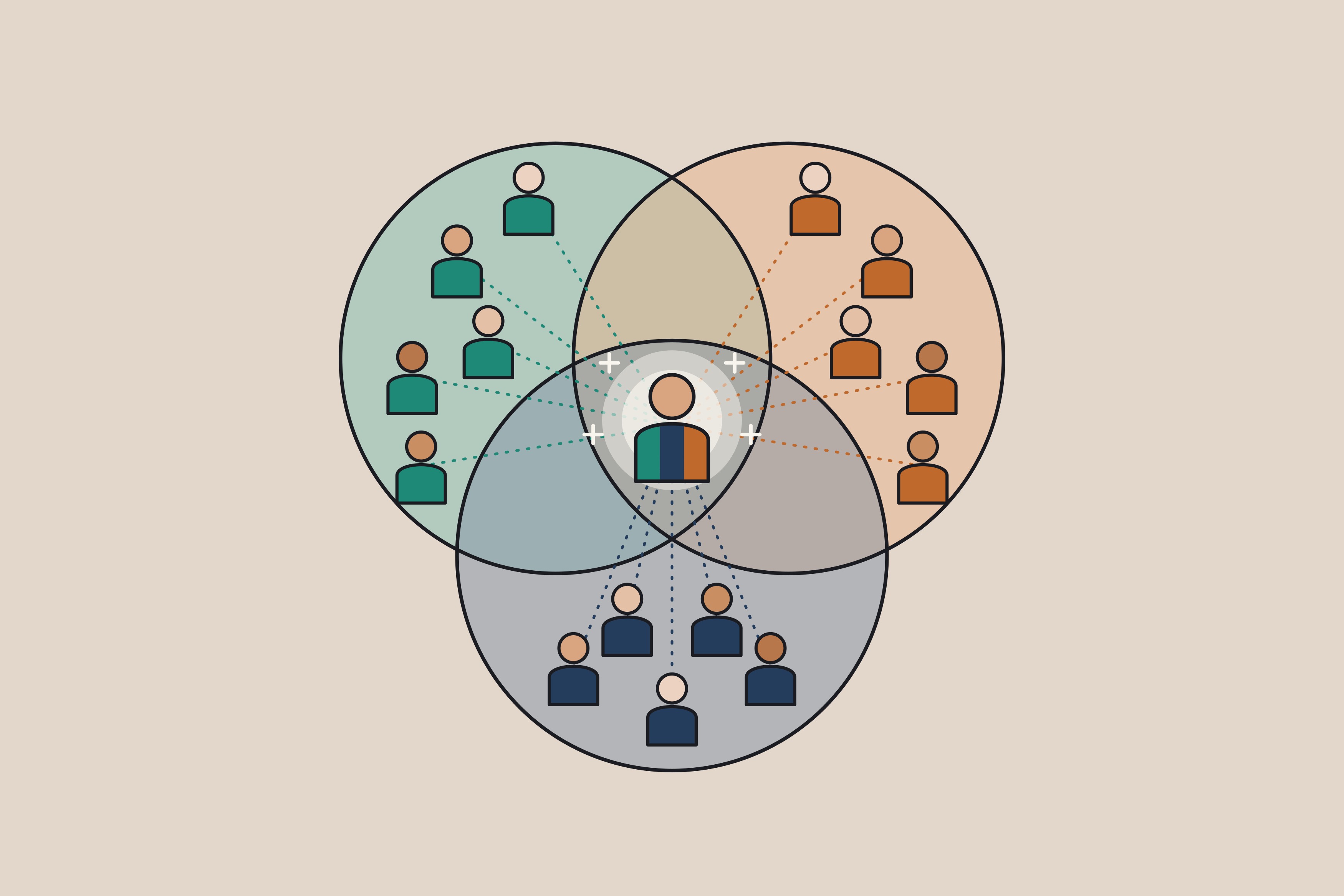
Seen that way, self-advocacy isn't about talking yourself up. It's about giving the people who speak for you something accurate and specific to say. It tends to rest on three things: what you know, what only you bring, and who knows you well enough to mention your name.
What You Know
Expertise is the most obvious of the three, and the one capable people most often assume will take care of itself. It rarely does. Knowledge that stays in your head, or in a document nobody opens, doesn't build credibility. Credibility comes from other people seeing your thinking at work.
That usually means sharing your reasoning, not just your results. "We hit the deadline" tells people something happened. "We hit the deadline because we cut the approval step that was costing us a week" tells them why, and what you understood that others hadn't. The second version is the one they'll remember, and repeat.
It also means offering your judgment before it's finished, when it can still shape a decision. That idea gets fuller treatment in Mindset Over Skillset. For self-advocacy, the point is simple: expertise counts when people can see it, and they can only see it if you show it.
What Only You Bring
The second element is harder to name. In most teams, several people have similar skills on paper. What makes one of them the obvious choice for a particular problem is usually something more specific: the way they handle a difficult client, the fact that they always find the flaw in a plan, their ability to turn a messy discussion into a decision.
People who advocate well for themselves know what that thing is, and can put it in a sentence. Many people can't. Ask them what they're distinctively good at and they'll list their job description.
This can be misread as playing hard to get, or manufacturing scarcity. That isn't the point, and people see through it quickly. The point is clarity. If you can't say what only you bring, nobody else will be able to say it for you either. A useful test is to ask two or three colleagues what they'd call you about. The answers are often more specific, and more flattering, than you'd expect.
Who Knows You
The third element is relationships, and particularly relationships beyond your immediate team.
It's tempting to think of networking as something transactional, done at events with name badges. Inside an organization, it's quieter and more useful than that. It's the colleague in another department who understands what you do, the senior leader who has seen your work up close, the peer who says, "You should talk to her about that."
There's good evidence that these wider connections matter for more than visibility. In a study of managers in a large company, those whose networks reached across otherwise separate groups were more likely to have their ideas judged valuable, and did better on pay and promotion, than those whose contacts stayed within one group (Burt, 2004). Being known in more than one part of an organization seems to make people better at thinking, as well as more likely to be thought of.
The most valuable of these relationships is often a sponsor rather than a mentor. A mentor gives you advice. A sponsor says your name in the rooms you're not in. You can't ask someone to become a sponsor, but you can make it easy for them, by doing work they can see and by telling them clearly what you're aiming for.
Advocacy Without the Performance
None of this requires becoming someone who talks about themselves all the time. In many workplaces and cultures, modesty is valued, and open self-promotion lands badly. Self-advocacy in those settings looks different: a well-written project summary, a clear answer when someone asks what you've been working on, a word with your manager about the role you'd like next.
What it does require is giving up the hope that good work will be noticed on its own. Sometimes it is. More often, it's noticed by the people close enough to see it, and stops there.
The people who advocate well for themselves aren't usually louder than everyone else. They've simply made sure that when their name comes up in a room they're not in, someone can say something true and specific about them. That's a modest goal. It's also one that most capable people never quite get around to.
Rajna Shetty is an executive presence coach and creator of the Executive Presence Influence (EPI) Assessment at CoachVikram & Company. She specializes in measuring and developing leadership influence. Reach her at rajna@coachvikram.com